

Drive ten minutes in any direction in Ontario and home prices can swing by hundreds of thousands of dollars. It's not random — there's a clear logic behind it, and as Ontario-based realtor Parth Jani puts it, "buyers aren't paying for the house, they're paying for everything around it." So what exactly tips a neighborhood from "affordable" to "aspirational"? Let's break it down using real 2026 numbers.
The Price Gap Is Bigger Than You Think
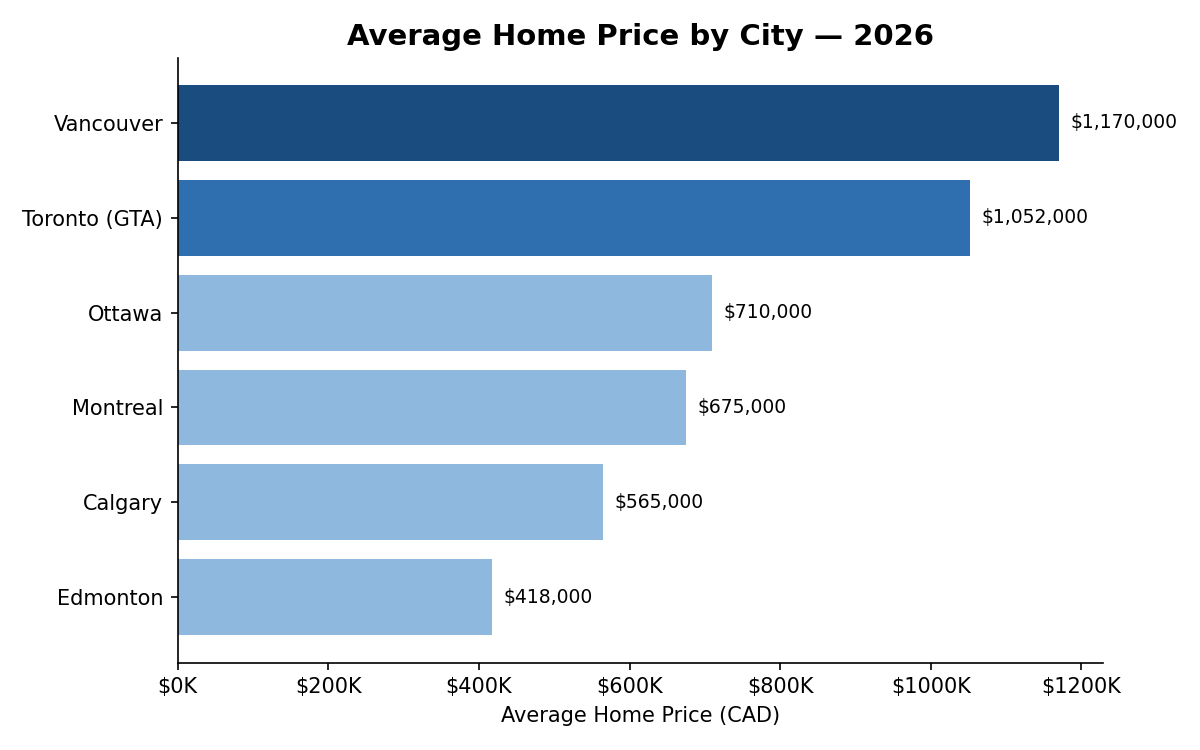
Ontario's average resale home price sat around $831,600 in June 2026, but that number hides a massive spread depending on where you look:
| City / Region | Avg. Home Price (2026) |
|---|---|
| Greater Toronto Area | ~$1,052,000 |
| Ottawa | ~$710,000 |
| Hamilton | Trending stable-to-up |
| Ontario-wide average | ~$831,600 |
| Ontario condo average | ~$491,500 |
| Ontario townhouse average | ~$592,200 |
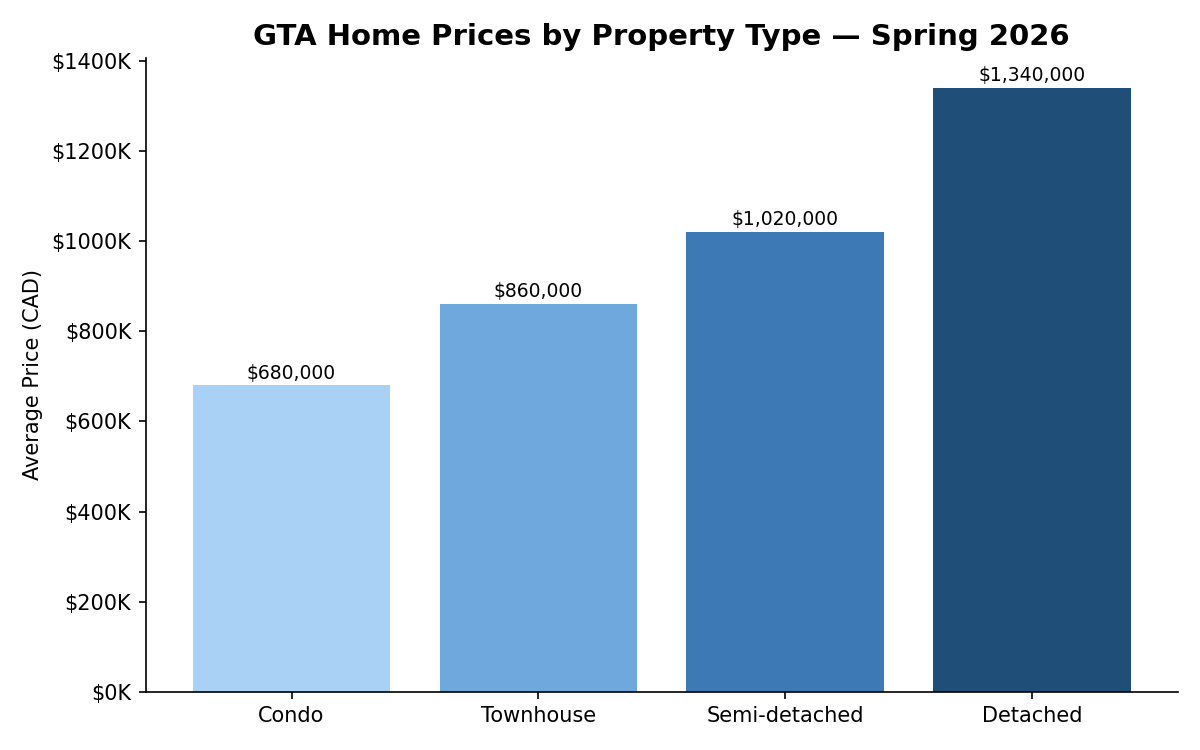
Even within the same city, a detached home in the GTA averages $1.34 million, while a condo just a few kilometres away averages $680,000. Same city, completely different world.
So What's Actually Driving the Difference?
1. Commute time and transit access Neighborhoods within a short GO Train or subway ride of downtown Toronto command a real premium. Every extra 15 minutes of commute tends to shave value off a listing.
2. School catchment zones Ontario buyers with kids will pay a noticeable premium to land inside a strong school boundary, sometimes tens of thousands of dollars for a home literally across the street from a lower-ranked school.
3. Lot size and housing type Detached homes, semis, townhouses, and condos don't just differ in size, they sit in completely different price tiers. In Ontario right now, detached homes average roughly double the price of a condo.
4. Local development and amenities New transit lines, shopping corridors, and waterfront revitalization projects (think Hamilton's downtown or parts of the Niagara region) tend to pull prices up over a 3–5 year window as an area "matures."
5. Supply and inventory In March 2026, Ontario's months-of-supply sat around 4.6 , a fairly balanced market. But that number isn't even across the province. Tighter supply in desirable pockets of the GTA keeps prices firmer even while the province wide average cools.
6. Safety, walkability, and "feel" This one's harder to put a number on, but it's real. Walkable neighborhoods with parks, cafes, and low crime consistently outprice similar sized homes in less walkable areas, even when the commute time is identical.
The Bigger Picture: Ontario's Market Right Now
2026 hasn't been a straight line up. Ontario's composite benchmark price actually fell about 4.6–6.5% year-over-year through the first half of the year, with condos and townhouses seeing the steepest drops. Meanwhile sales activity in June ticked up 5.5% year-over-year, suggesting buyers are stepping back in now that prices have softened.
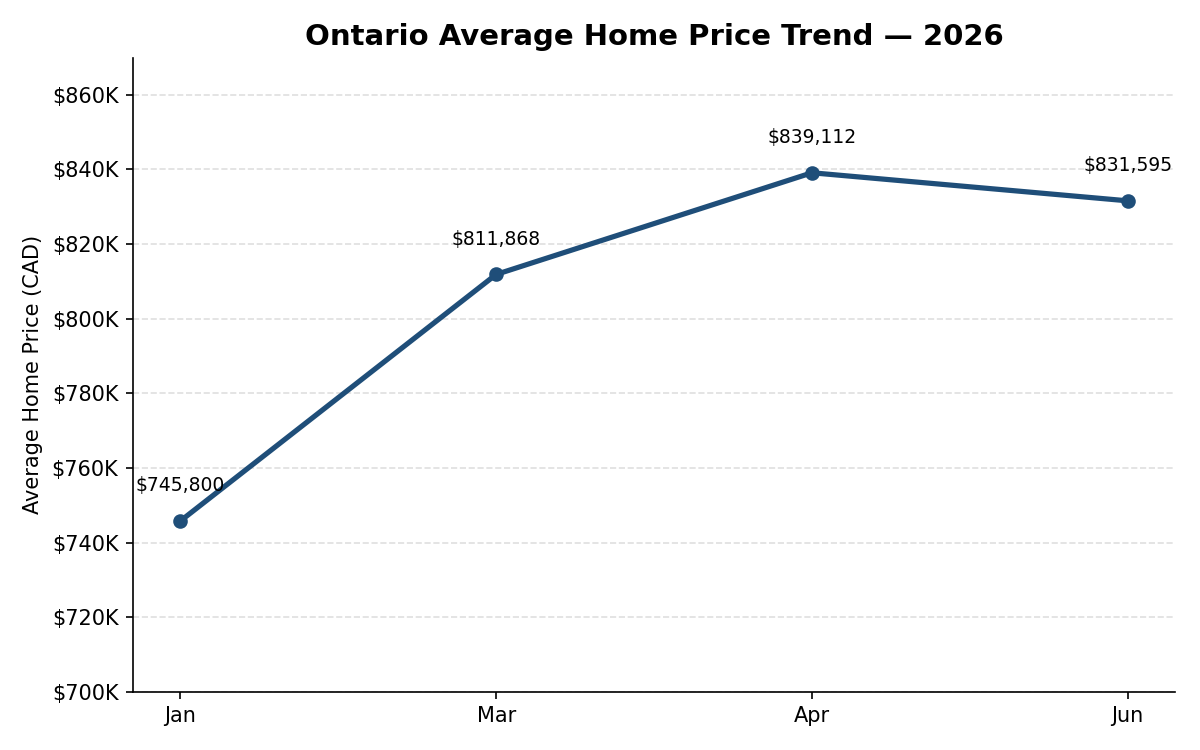
That combination — softer prices, more inventory, and buyers slowly returning is exactly the kind of window where location differences become the most obvious. When everything is expensive, buyers accept trade-offs. When prices ease up, they get pickier about the exact street, the exact school zone, the exact walk score.
The Takeaway
A neighborhood's price tag is really a bundle of smaller decisions: how far it is from work, how good the schools are, how walkable it feels, and how much room is left to grow. None of these show up as a single line item on a listing, but together they explain almost the entire gap between a $500,000 condo and a $1.3 million detached home just a few kilometres apart. If you're weighing a purchase or a sale anywhere in Ontario, those are the factors worth digging into before the asking price , not after.
Thinking of Buying or Selling in Ontario?
Ready to find out what your neighborhood is really worth? Reach out to Parth Jani today for a free home valuation.