
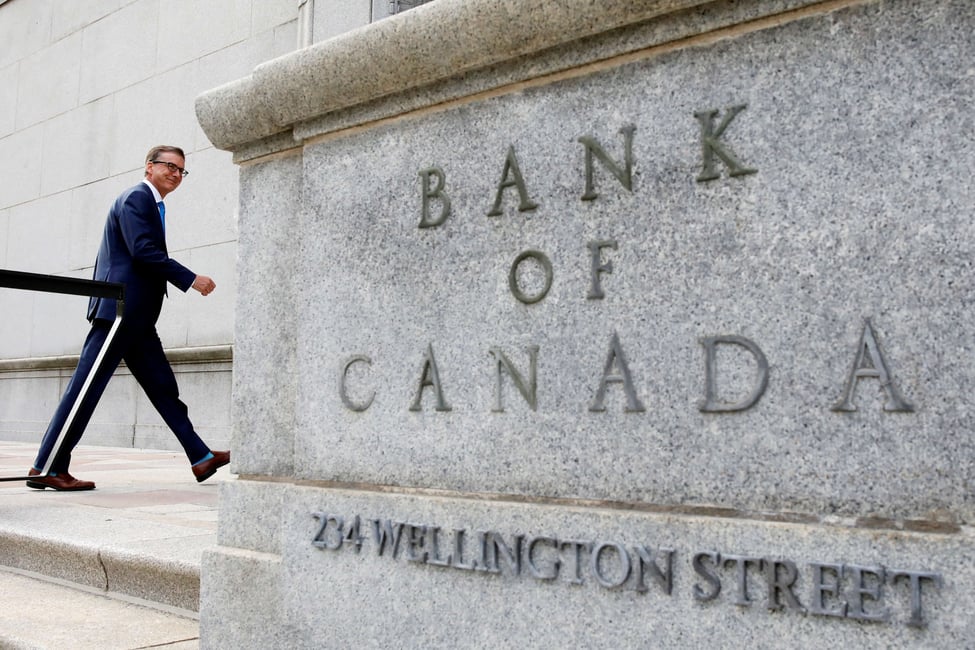
In a move that has sent ripples through the Canadian economy, the Bank of Canada has announced a 25 basis point cut to its overnight lending rate, bringing it down to 2.75%. This decision, made in response to the growing economic strain caused by ongoing trade tensions with the United States, could have significant implications for Ontario’s real estate market.
The Context: Trade Wars and Economic Uncertainty
Bank of Canada Governor Tiff Macklem cited the pervasive uncertainty surrounding U.S. trade policy as a key factor in the decision to lower interest rates. While the Canadian economy started the year strong, with solid GDP growth and inflation within the target range, the threat of new tariffs and the unpredictability of the Canada-U.S. trade relationship are already impacting business and consumer confidence.
For Ontario, a province deeply integrated with the U.S. economy, this uncertainty is particularly concerning. The potential for higher tariffs could lead to increased costs for businesses, which may then pass these costs onto consumers. This could result in higher prices for goods and services, including those related to real estate, such as construction materials and home appliances.
Interest Rate Cuts and Real Estate: A Double-Edged Sword
The Bank of Canada’s decision to cut interest rates is a double-edged sword for the real estate market. On one hand, lower interest rates make borrowing cheaper, which can stimulate demand for mortgages and potentially boost home sales. For prospective homebuyers in Ontario, this could be an opportune time to secure a mortgage at a lower rate, making homeownership more accessible.
On the other hand, the rate cut is a response to broader economic concerns, including the potential for inflation driven by rising costs. If inflation does rise, it could erode purchasing power, making it more difficult for buyers to afford homes despite lower interest rates. Additionally, if businesses raise prices to offset the impact of tariffs, this could lead to higher costs for home construction and renovations, further impacting the real estate market.
The Impact on Ontario’s Housing Market
Ontario’s real estate market, particularly in cities like Toronto and Ottawa, has been characterized by high demand and rising prices in recent years. The interest rate cut could provide some relief to buyers who have been struggling with affordability issues. Lower mortgage rates may encourage more buyers to enter the market, potentially increasing competition for available properties.
However, the broader economic uncertainty could also lead to caution among buyers and sellers. If businesses and consumers become more hesitant to spend due to concerns about the trade war, this could slow down economic activity and impact the housing market. Additionally, if inflation rises, it could lead to higher interest rates in the future, which would increase the cost of borrowing and potentially cool the housing market.
Looking Ahead: What to Watch For
The Bank of Canada’s next interest rate meeting is scheduled for April 16, where it will release its quarterly monetary policy report. This report will provide further insights into the outlook for the Canadian economy and could offer more clarity on the potential impact of trade tensions on Ontario’s real estate market.
In the meantime, prospective homebuyers and sellers in Ontario should keep a close eye on economic developments, particularly those related to the Canada-U.S. trade relationship. While lower interest rates may present an opportunity for buyers, the broader economic uncertainty means that caution is warranted.
Conclusion
The Bank of Canada’s decision to cut interest rates to 2.75% is a response to the growing economic uncertainty caused by trade tensions with the United States. For Ontario’s real estate market, this could mean both opportunities and challenges. Lower interest rates may make homeownership more accessible for some buyers, but the broader economic uncertainty could lead to caution and potential challenges in the housing market. As always, staying informed and working with a trusted real estate professional can help navigate these uncertain times.